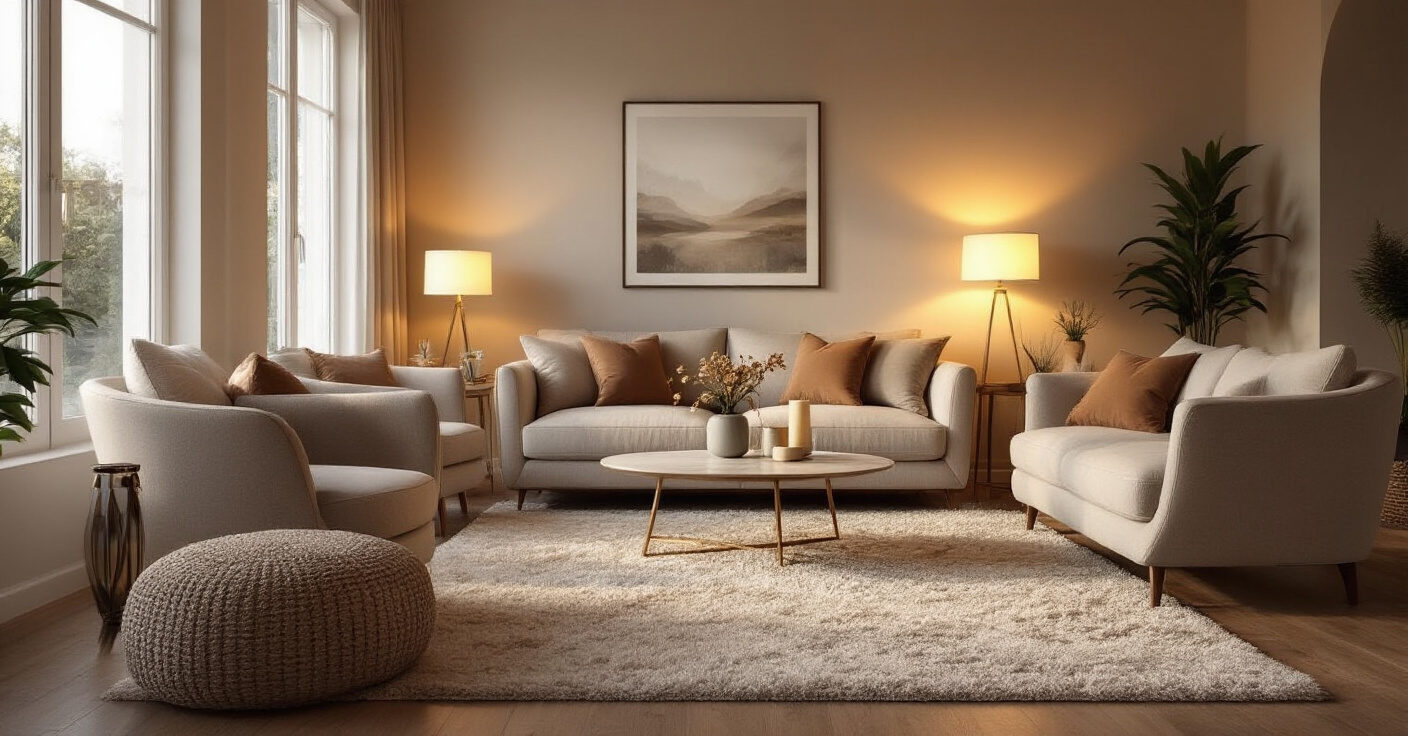
Modern Living Room Lighting Secrets: How to Set the Mood and Enhance Your Space
Let’s talk about that magic ingredient that transforms a house into a home: lighting. It’s so much more than just flicking a switch; it’s about creating an atmosphere, highlighting your style, and making your living room the ultimate haven. Think about it – you can have the most stunning furniture and the trendiest decor, but if the lighting is off, the whole vibe can feel flat. We’re going to dive deep into how to master this art, making your living room a place you’ll never want to leave.
The Power of Layering: More Than Just One Overhead Light
Forget relying solely on that single, harsh overhead fixture. True lighting magic happens with layers. You need a combination of different light sources to create depth, warmth, and functionality. This isn’t about cramming your room with lamps; it’s about strategic placement and choosing the right types of lights for specific purposes. Think about how natural light changes throughout the day and aim to replicate that dynamic, controlled effect with your artificial sources.
Ambient Lighting: The Foundation of Your Glow
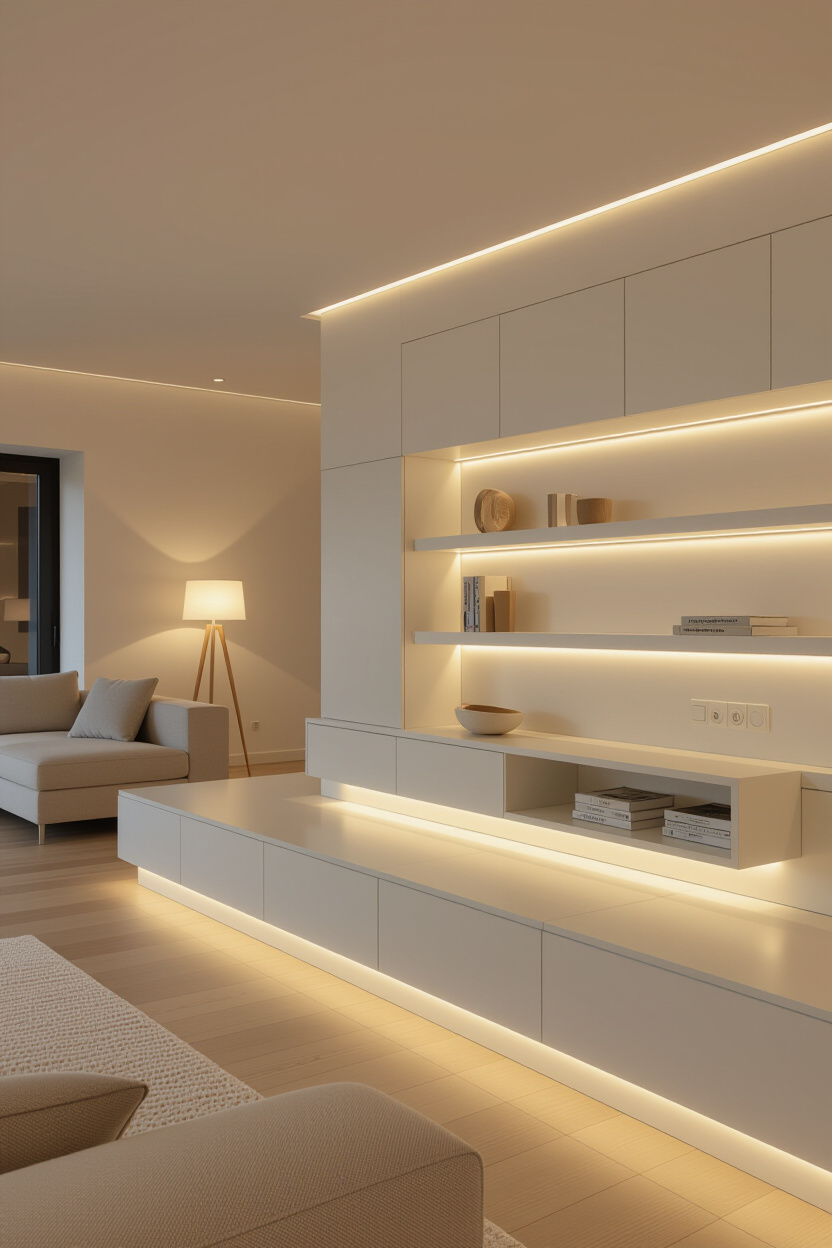
Ambient lighting forms the overall illumination of your room. It’s the general light that allows you to move around safely and comfortably. This is your starting point, the backdrop against which all other lighting elements will play. When choosing ambient lights, you want something that casts a soft, diffused glow, avoiding anything too stark or direct. Dimmers are your best friend here, allowing you to adjust the intensity based on the time of day or the activity.

Task Lighting: Illuminating Your Activities
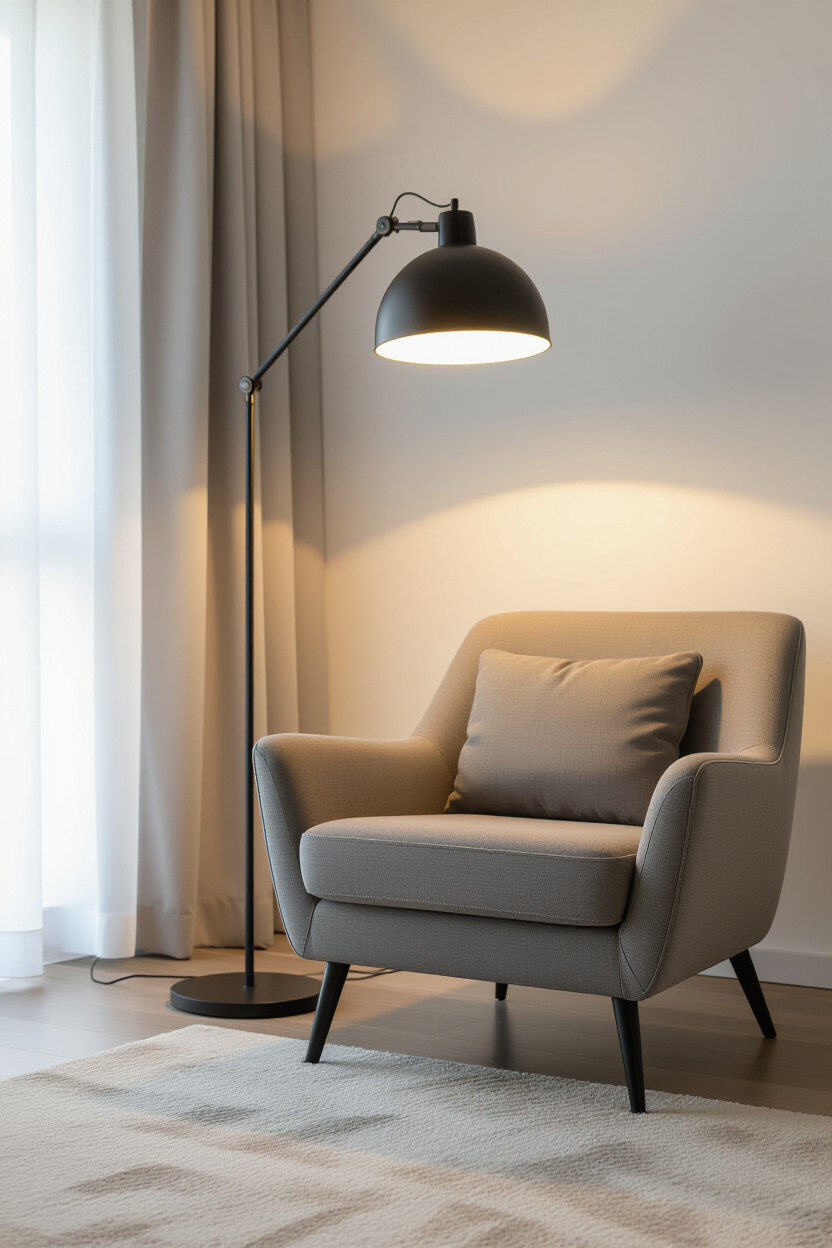
Next up, we have task lighting. This is where you focus on functionality. Do you love to read in your favorite armchair? You’ll need a dedicated reading lamp. Do you entertain and want to highlight artwork or your entertainment center? Accent lighting comes into play here. The key is to position these lights precisely where you need them, ensuring they provide sufficient brightness without creating glare. Think about what you do in your living room and equip it accordingly.
Accent Lighting: Drawing the Eye and Creating Drama
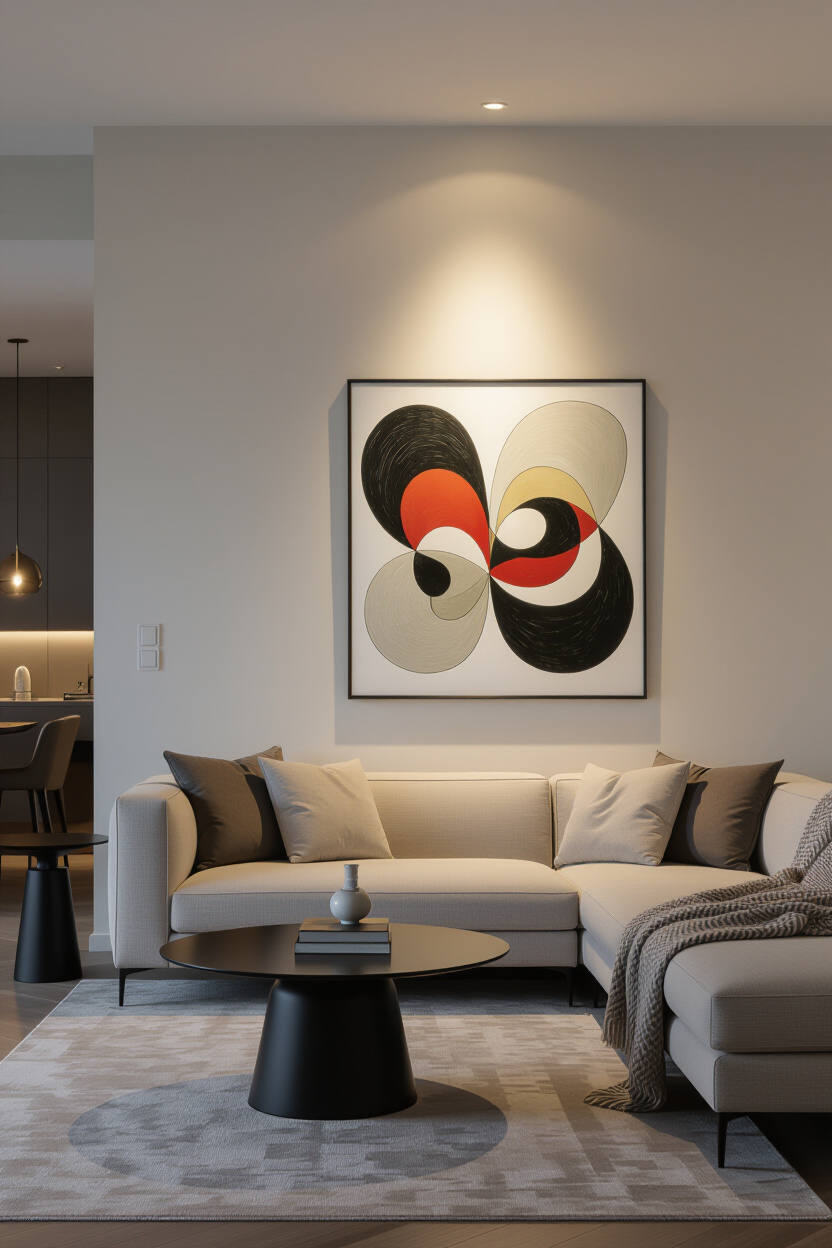
Accent lighting is all about adding personality and drama. This is your chance to spotlight those elements you’re most proud of – a stunning piece of art, a sculptural plant, or an interesting architectural feature. These lights are typically more focused and intense, designed to create visual interest and guide the viewer’s eye. They add depth and dimension, preventing your room from looking like a flat, evenly lit box.
Types of Fixtures: Beyond the Obvious Bulb
When we talk about lighting, it’s easy to just think of ceiling lights or lamps, but the world of fixtures is so much richer! Choosing the right type of fixture is crucial for achieving your desired effect. Different shapes, materials, and designs can dramatically impact the quality and spread of light. Don’t be afraid to mix and match to create a cohesive yet dynamic lighting scheme.
Floor Lamps: The Versatile Workhorses
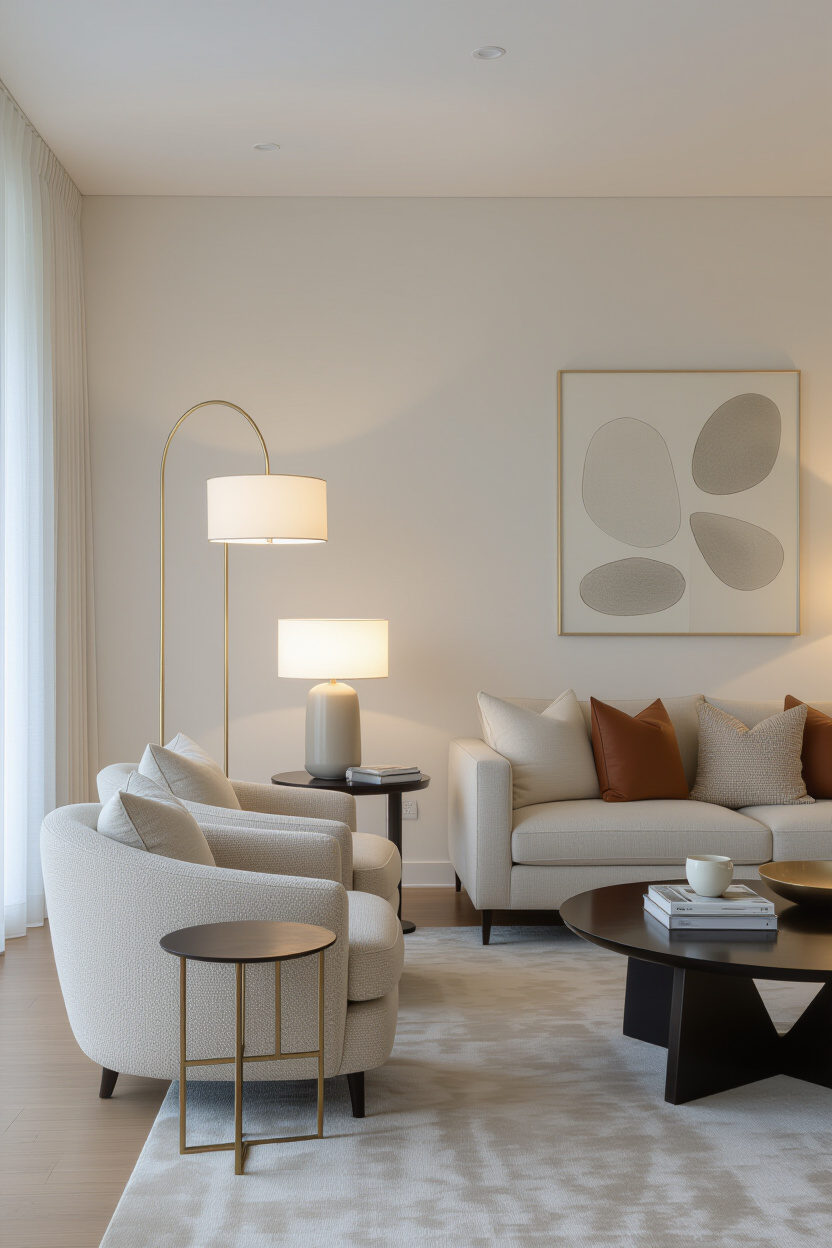
Floor lamps are incredibly versatile and can serve multiple purposes. From providing ambient light with a large shade to offering focused task lighting with an adjustable arm, they’re a staple for a reason. Consider arc lamps that can extend over a sofa or corner, or tripod lamps that add a touch of mid-century modern flair. They can also act as decorative elements in their own right, adding height and visual interest to a corner.
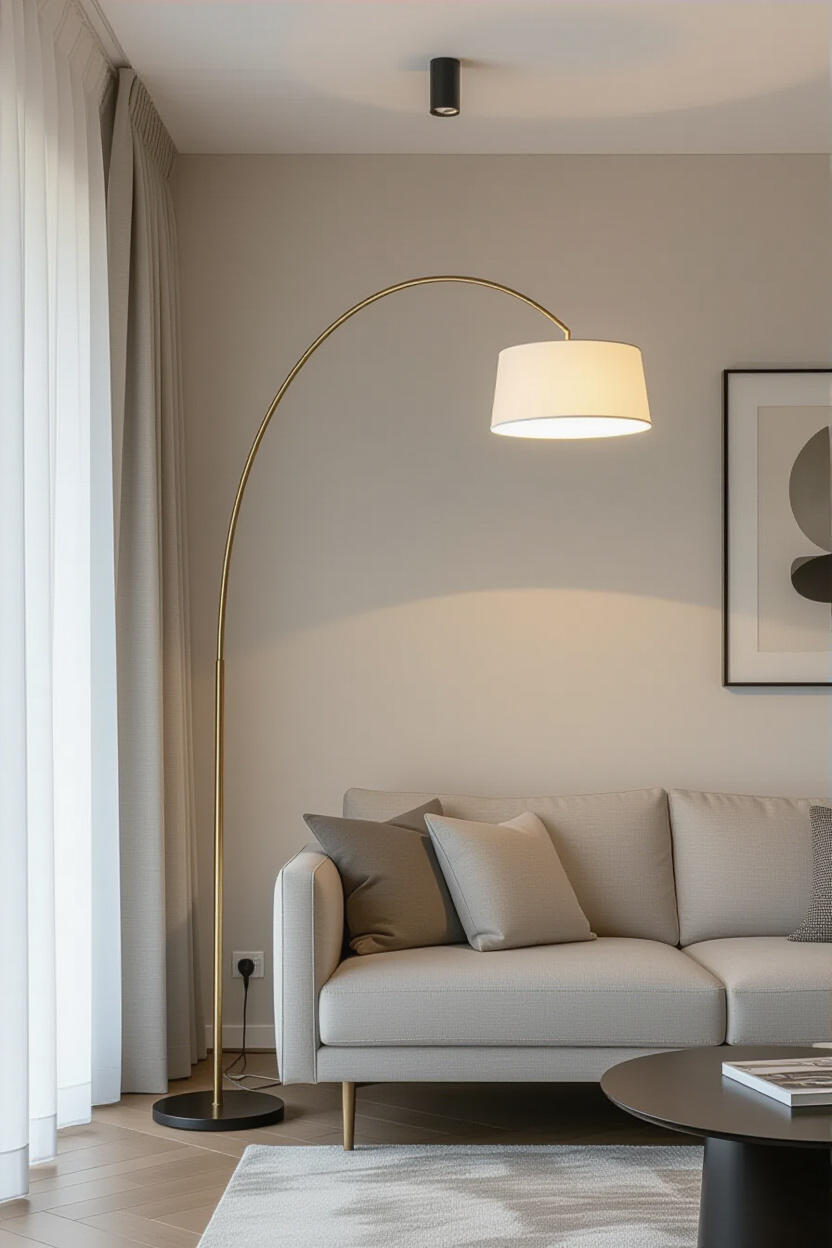
Table Lamps: Adding Warmth and Intimacy
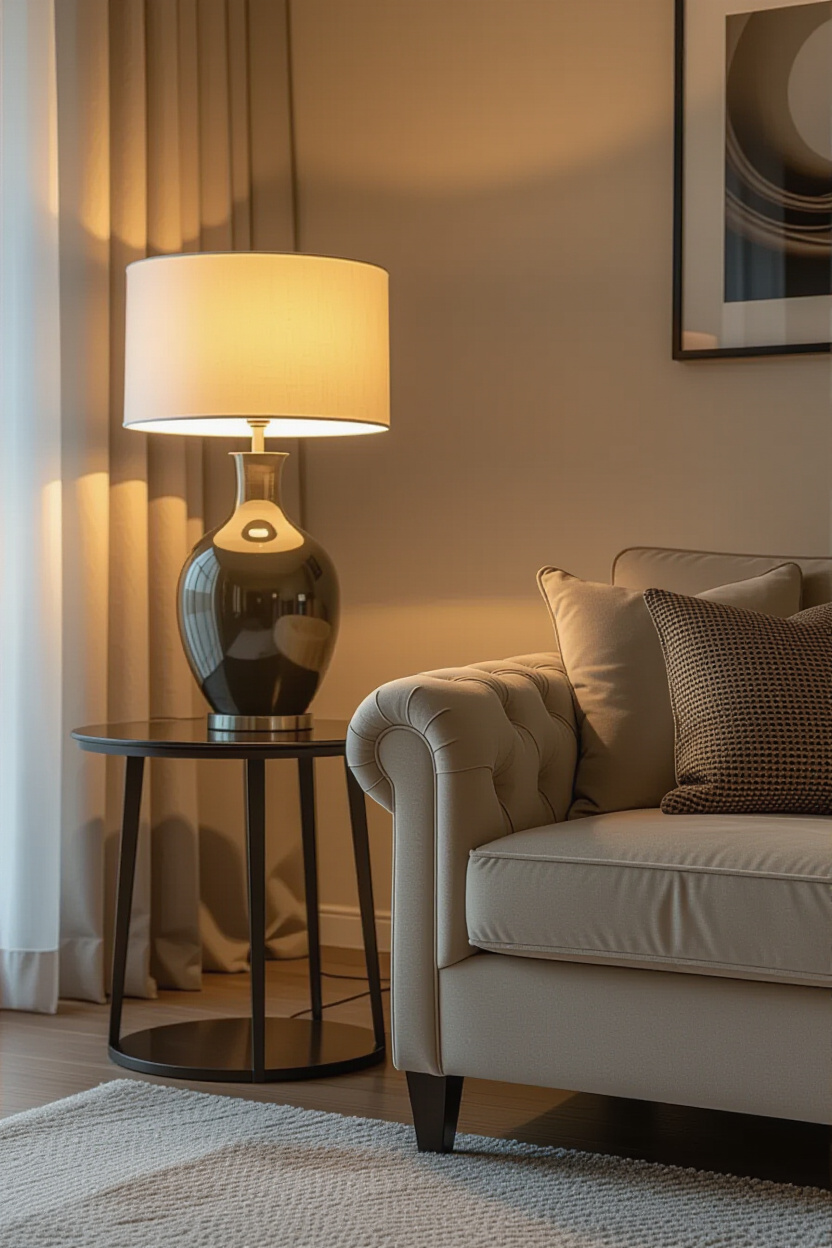
Table lamps are perfect for adding warmth and creating intimate zones within your living room. Place them on side tables next to sofas or armchairs, on console tables, or even on bookshelves. Their smaller scale makes them ideal for filling in gaps and adding a gentle glow. Look for lamps with shades that diffuse light softly, or consider dimmer switches for ultimate control over the mood.
Wall Sconces: Elegant and Space-Saving
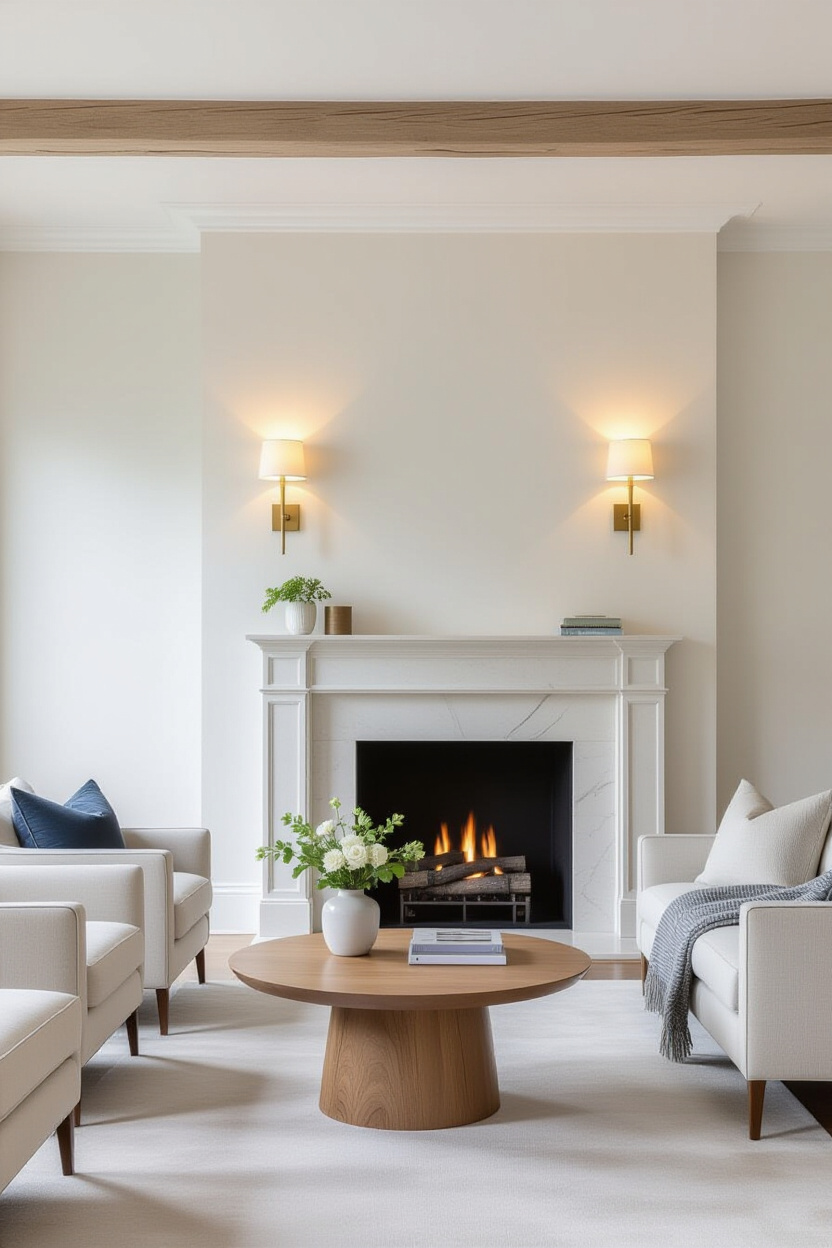
Wall sconces are a fantastic choice for adding a touch of elegance without taking up floor or table space. They can be used to flank fireplaces, highlight artwork, or provide gentle ambient light in hallways leading into the living room. Modern sconces come in a huge variety of styles, from minimalist designs to more ornate pieces, allowing you to integrate them seamlessly into your decor.
Pendant Lights and Chandeliers: Statement Pieces
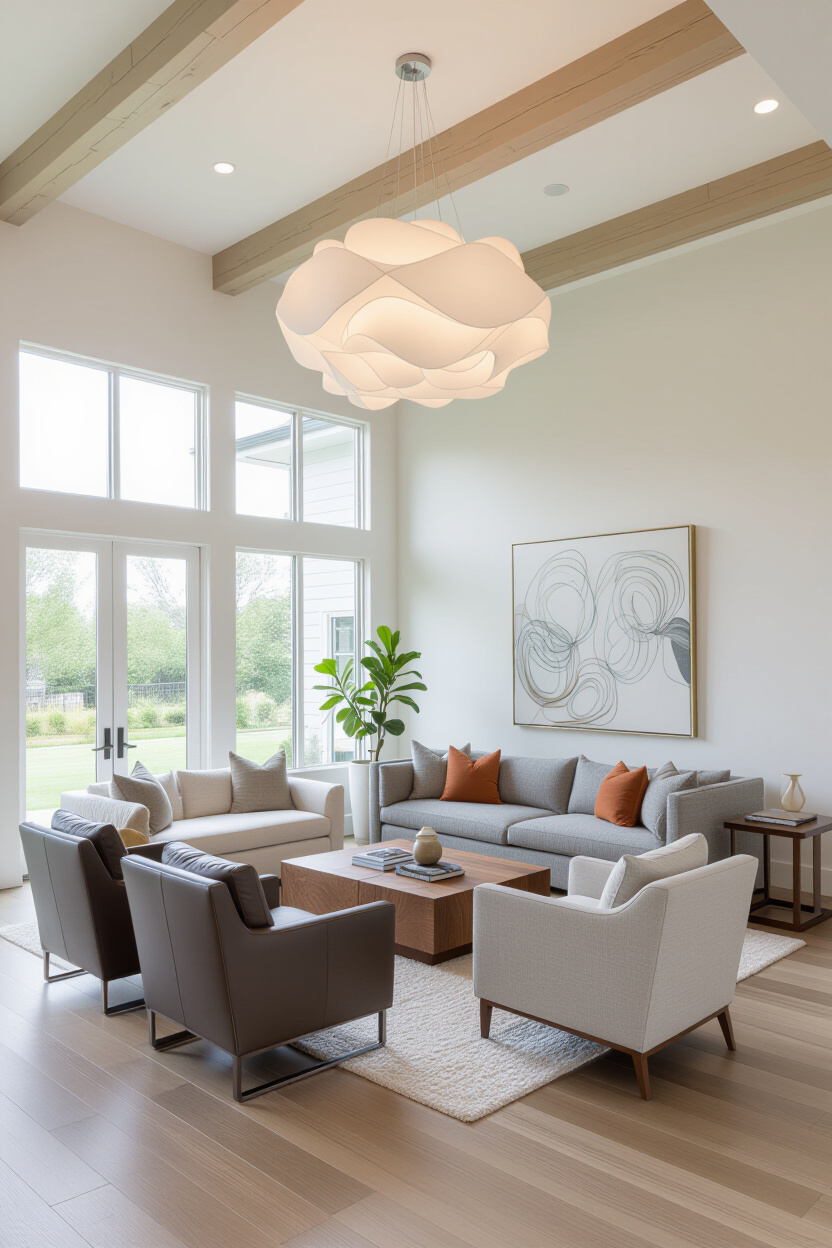
While often associated with dining rooms, pendant lights and even smaller chandeliers can make a dramatic statement in a living room, especially in larger spaces or over specific zones like a reading nook or a seating area. They draw the eye upwards and can become a central focal point. The key is to select a fixture that’s proportionate to your room’s size and ceiling height to avoid overpowering the space.
Mastering the Mood: Color Temperature and Dimmers
Beyond the fixtures themselves, two crucial elements dictate the mood of your living room: color temperature and dimmers. These are the tools that allow you to truly fine-tune the atmosphere.
The Impact of Color Temperature
Color temperature, measured in Kelvin (K), refers to the warmth or coolness of light.
* Warm White (2700K-3000K): This is your go-to for creating a cozy, inviting, and relaxing ambiance. It mimics the warm glow of incandescent bulbs and is perfect for living rooms where you want to unwind.
* Cool White (3500K-4100K): This offers a more neutral, crisp light that’s great for task lighting or areas where you need to focus. It can feel a bit sterile for general living room ambiance.
* Daylight (5000K+): This mimics natural daylight and can be too harsh for a living room, often making colors appear artificial.
For a living room, you’ll generally want to stick to warm white bulbs for your primary ambient and accent lighting. You can use cooler tones sparingly for very specific task areas if needed, but warmth is key to comfort.
Dimmers: Your Mood Control Knob
Dimmers are non-negotiable for a modern living room. They allow you to instantly adjust the intensity of your lights, transforming the room’s atmosphere from bright and functional to soft and intimate with a simple flick of a dial. This flexibility is invaluable. You can dim the lights for movie nights, brighten them for hosting guests, or set a subtle glow for a quiet evening. Investing in dimmable bulbs and switches is one of the most impactful upgrades you can make.
Here’s a quick rundown of why dimmers are essential:
* Mood Versatility: Easily switch from bright task lighting to a cozy, ambient glow.
* Energy Efficiency: Dimming lights reduces energy consumption.
* Extended Bulb Life: Dimmers can help prolong the life of your bulbs.
* Reduced Glare: Soften harsh light and minimize eye strain.
Smart Lighting: The Future is Now
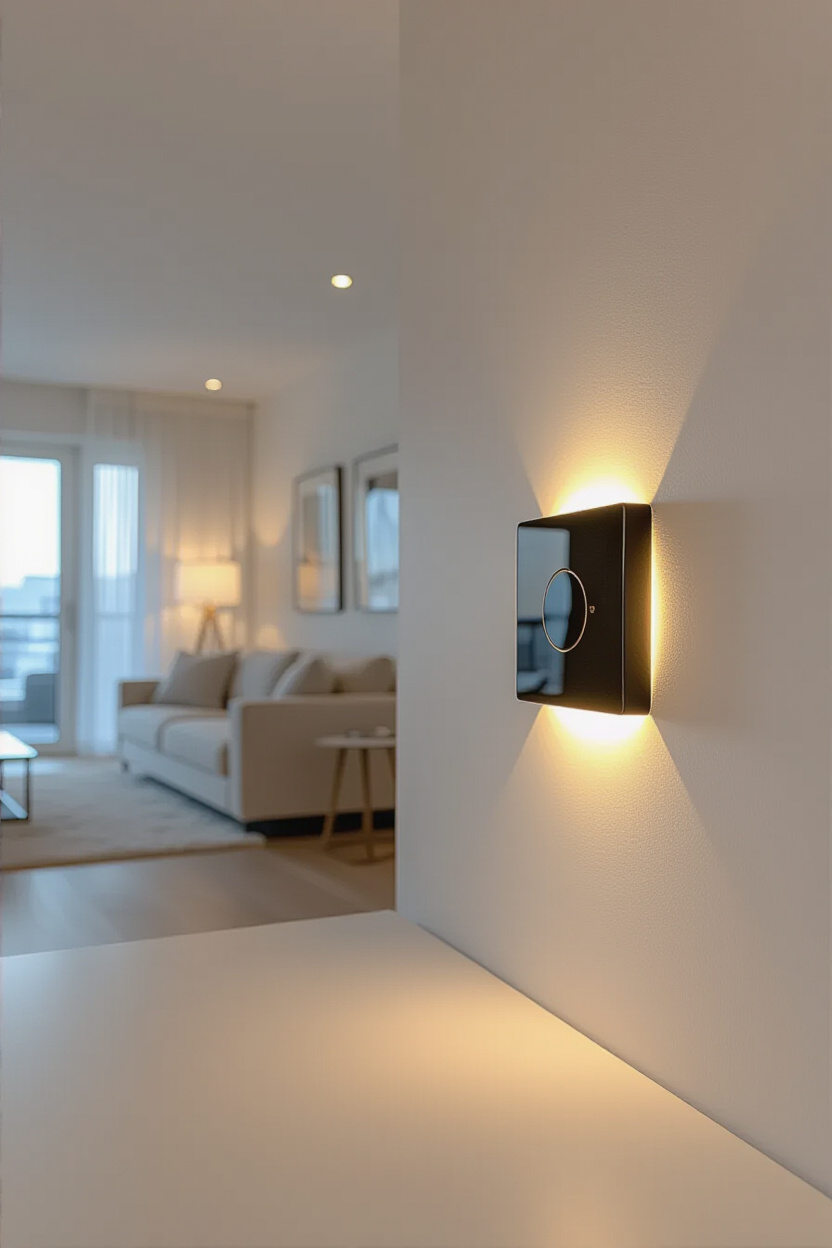
We can’t talk about modern living rooms without mentioning smart lighting technology. This isn’t just a gimmick; it offers unparalleled control and convenience. Smart bulbs and systems allow you to control your lights via an app, voice commands, or pre-set schedules.
The benefits of smart lighting are numerous:
* Remote Control: Adjust lights from anywhere using your smartphone.
* Voice Activation: Control your lighting hands-free with assistants like Alexa or Google Assistant.
* Scheduling: Set lights to turn on or off automatically at specific times.
* Scene Creation: Design custom lighting moods for different activities (e.g., “Movie Night,” “Dinner Party,” “Reading”).
* Color Changing: Some smart bulbs offer a full spectrum of colors, allowing for incredible creative expression.
Integrating smart lighting doesn’t have to be complicated. You can start with a few smart bulbs in your most-used lamps and gradually expand your system. It’s an investment in convenience and ultimate control over your home’s ambiance.
Bringing It All Together: Practical Tips for Success
Now that we’ve covered the foundational elements, let’s talk about putting it all into practice. The best lighting schemes feel effortless, but they require thoughtful planning.
Here are some key takeaways and practical tips:
* Assess Your Room: Understand the natural light it receives and the primary functions of the space.
* Plan Your Layers: Aim for at least three layers of lighting: ambient, task, and accent.
* Consider Scale: Choose fixtures that are proportionate to your room’s size and ceiling height.
* Embrace Dimmers: Install dimmers on as many circuits as possible.
* Warmth is Key: Opt for warm white (2700K-3000K) bulbs for most applications.
* Don’t Forget Decor: Lamps and fixtures themselves can be significant design elements.
* Experiment: Don’t be afraid to move lamps around or try different bulb types until you find what works best.
By following these principles, you’ll elevate your living room from a functional space to an inviting, atmospheric retreat. It’s amazing how much of a difference thoughtful lighting can make.
Conclusion
Mastering living room lighting is a journey of layering, strategizing, and understanding how light impacts our emotions and perception of space. By moving beyond a single overhead bulb and embracing ambient, task, and accent lighting, you can create a living room that’s both functional and incredibly inviting. Don’t forget the power of warm color temperatures and the essential control offered by dimmers. With these secrets in your toolkit, you’re well on your way to designing a living room that truly shines.